
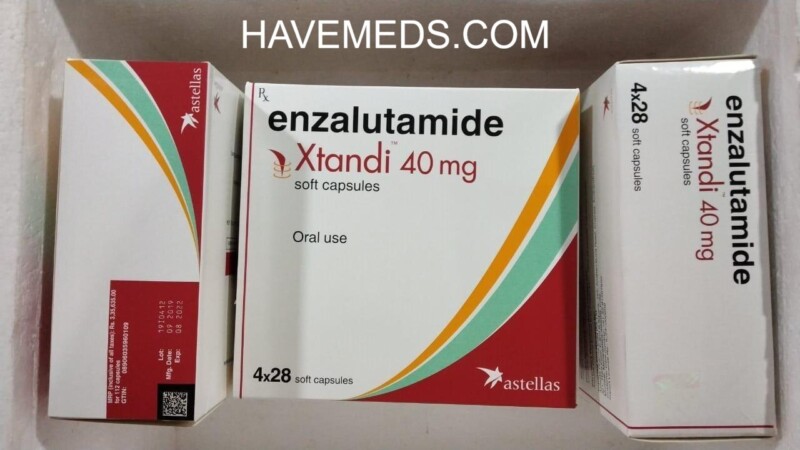
XTANDI (Enzalutamide)
XTANDI® (enzalutamide) is an oral androgen receptor inhibitor used in the treatment of advanced prostate cancer. It works by blocking the activity of androgens, such as testosterone, which can stimulate the growth of prostate cancer cells.
Description
XTANDI (Enzalutamide): An Overview
XTANDI® (enzalutamide) is an oral androgen receptor inhibitor used in the treatment of advanced prostate cancer. It works by blocking the activity of androgens, such as testosterone, which can stimulate the growth of prostate cancer cells. XTANDI has become an important treatment option for several stages of prostate cancer, helping to delay disease progression and improve patient outcomes.
Indications
XTANDI is approved for the treatment of:
- Castration-resistant prostate cancer (CRPC)
- Metastatic castration-sensitive prostate cancer (mCSPC)
- Non-metastatic castration-sensitive prostate cancer with biochemical recurrence at high risk for metastasis (nmCSPC with high-risk BCR)
Mechanism of Action
Prostate cancer cells often depend on androgen receptor signaling for growth and survival. XTANDI works by inhibiting multiple steps in the androgen receptor pathway, preventing cancer cells from receiving growth signals. This helps slow or stop the progression of prostate cancer.
Dosage and Administration
The recommended dose of XTANDI is 160 mg taken orally once daily, with or without food. Tablets or capsules should be swallowed whole. Depending on the specific indication, XTANDI may be used alone or in combination with androgen deprivation therapy (ADT).
Clinical Benefits
Clinical studies have demonstrated that XTANDI can:
- Delay disease progression
- Extend metastasis-free survival
- Reduce the risk of cancer spread
- Lower prostate-specific antigen (PSA) levels in many patients
- Delay the need for additional treatments such as chemotherapy in certain patient populations
Safety and Side Effects
Common side effects associated with XTANDI include:
- Fatigue
- Hot flashes
- Musculoskeletal pain
- Hypertension
- Falls and fractures
Serious but less common adverse events include seizures, posterior reversible encephalopathy syndrome (PRES), and cardiovascular complications. Patients should be monitored regularly during treatment and report any unusual symptoms to their healthcare provider.
Conclusion
XTANDI has significantly expanded treatment options for men with advanced prostate cancer. By targeting androgen receptor signaling, it helps control disease progression across multiple prostate cancer settings. Treatment decisions should be individualized based on disease stage, patient health status, and physician recommendations.


Reviews
There are no reviews yet.