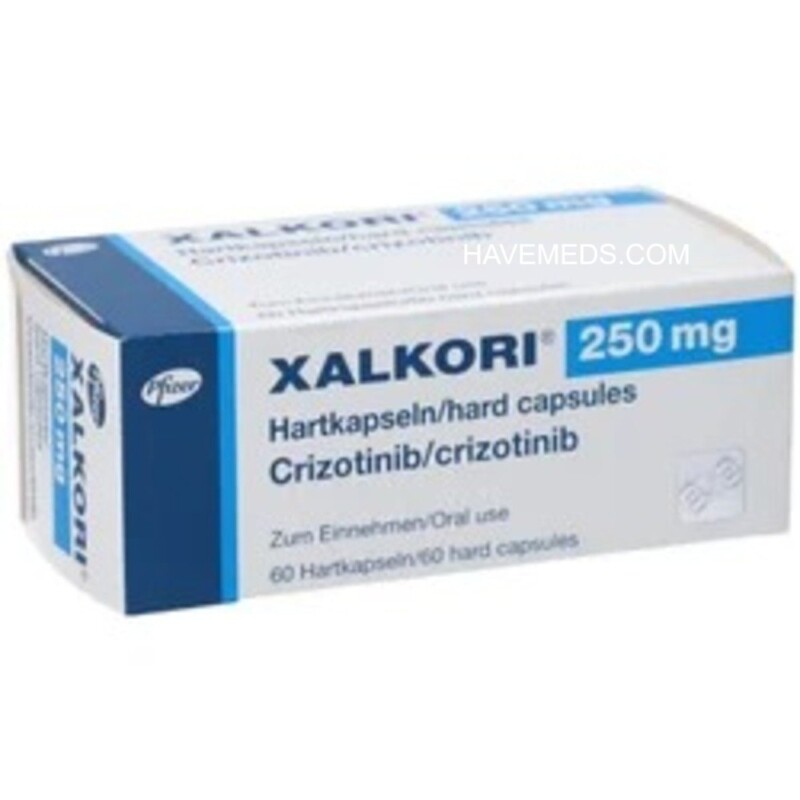
Xalkori (Crizotinib)
Xalkori is the brand name for crizotinib, an oral targeted therapy developed to treat certain cancers driven by specific genetic alterations.
Description
Xalkori (Crizotinib)
Xalkori is the brand name for crizotinib, an oral targeted therapy developed to treat certain cancers driven by specific genetic alterations. It belongs to a class of medicines known as tyrosine kinase inhibitors (TKIs) and works by blocking abnormal proteins that promote cancer cell growth and survival.
Indications
Xalkori is approved for the treatment of:
- ALK-positive metastatic non-small cell lung cancer (NSCLC) in adults.
- ROS1-positive metastatic non-small cell lung cancer (NSCLC) in adults.
- ALK-positive relapsed or refractory systemic anaplastic large cell lymphoma (ALCL) in pediatric patients and young adults.
- ALK-positive unresectable, recurrent, or refractory inflammatory myofibroblastic tumor (IMT) in adults and pediatric patients.
Patients are selected for treatment based on the presence of ALK or ROS1 genetic alterations identified through approved diagnostic testing.
Mechanism of Action
Crizotinib inhibits multiple receptor tyrosine kinases, including ALK (anaplastic lymphoma kinase), ROS1, and MET. By blocking these signaling pathways, Xalkori helps slow or stop the growth and spread of cancer cells that depend on these genetic abnormalities.
Dosage and Administration
For adults with ALK-positive or ROS1-positive metastatic NSCLC, the recommended dose is 250 mg taken orally twice daily, with or without food. Treatment is generally continued until disease progression or unacceptable toxicity occurs. Dosage adjustments may be necessary for adverse reactions or in patients with certain liver or kidney impairments.
Common Side Effects
The most frequently reported side effects include:
- Vision disorders
- Nausea
- Diarrhea
- Vomiting
- Constipation
- Edema (swelling)
- Fatigue
- Decreased appetite
- Dizziness
Important Safety Information
Serious adverse reactions associated with Xalkori may include:
- Hepatotoxicity (liver toxicity)
- Interstitial lung disease (ILD) or pneumonitis
- QT interval prolongation
- Bradycardia (slow heart rate)
- Severe visual impairment
- Embryo-fetal toxicity
Regular monitoring of liver function, heart rhythm, blood counts, and visual symptoms is recommended during treatment.
Conclusion
Xalkori has played a significant role in the advancement of precision oncology by providing a targeted treatment option for patients with ALK-positive and ROS1-positive cancers. Through molecular testing and personalized treatment approaches, Xalkori helps improve outcomes for eligible patients with specific genetic cancer drivers.
Reviews
There are no reviews yet.