
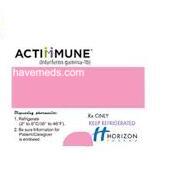
Interferon Gamma-1b
Interferon Gamma-1b is a recombinant form of human interferon-gamma, a naturally occurring cytokine that plays a critical role in innate and adaptive immunity. It enhances macrophage activation, increases antigen presentation, and promotes cellular immune responses against infectious agents.
Description
Interferon Gamma-1b
Generic Name
Interferon Gamma-1b
Drug Class
Immunomodulator; Cytokine
Description
Interferon Gamma-1b is a recombinant form of human interferon-gamma, a naturally occurring cytokine that plays a critical role in innate and adaptive immunity. It enhances macrophage activation, increases antigen presentation, and promotes cellular immune responses against infectious agents.
Mechanism of Action
Interferon Gamma-1b binds to specific cell-surface receptors, activating intracellular signaling pathways that regulate the expression of immune-response genes. This results in enhanced phagocytic activity of macrophages, increased production of reactive oxygen species, improved antigen presentation, and modulation of T-cell function.
Indications
Interferon Gamma-1b is indicated for:
- Chronic Granulomatous Disease (CGD) to reduce the frequency of serious infections.
- Severe, malignant osteopetrosis to delay disease progression and improve bone marrow function.
Dosage and Administration
Interferon Gamma-1b is administered by subcutaneous injection. Dosage is individualized based on body surface area and clinical condition. Treatment should be initiated and monitored by healthcare professionals experienced in managing the indicated disorders.
Pharmacokinetics
- Route: Subcutaneous injection
- Absorption: Rapidly absorbed after administration
- Distribution: Distributed throughout extracellular fluid
- Metabolism: Primarily degraded by proteolytic enzymes
- Elimination: Cleared through cellular uptake and protein catabolism
Contraindications
- Known hypersensitivity to interferon gamma or any component of the formulation.
Warnings and Precautions
- Monitor for flu-like symptoms.
- Use caution in patients with cardiac disorders.
- Hepatic function should be monitored periodically.
- Neuropsychiatric symptoms, including depression, may occur.
- Regular hematologic monitoring is recommended.
Adverse Reactions
Common adverse reactions include:
- Fever
- Chills
- Fatigue
- Headache
- Myalgia
- Injection-site reactions
- Nausea
- Diarrhea
Less common but serious adverse effects may include:
- Severe hypersensitivity reactions
- Liver enzyme elevations
- Hematologic abnormalities
- Neuropsychiatric disturbances
Drug Interactions
Interferon Gamma-1b may interact with:
- Immunosuppressive agents
- Myelosuppressive medications
- Drugs affecting hepatic metabolism
Use in Special Populations
Pregnancy
Use only if the potential benefit justifies the potential risk to the fetus.
Lactation
Caution should be exercised when administered to breastfeeding women.
Pediatric Use
Approved for pediatric patients with indicated conditions; dosing should be based on body size and clinical response.
Geriatric Use
Limited clinical experience is available; careful monitoring is recommended.
Storage
Store according to manufacturer recommendations, typically under refrigeration. Do not freeze. Protect from excessive heat and light.
Clinical Significance
Interferon Gamma-1b improves host defense mechanisms and has demonstrated efficacy in reducing serious infections in patients with chronic granulomatous disease and delaying disease progression in severe malignant osteopetrosis.
Reviews
There are no reviews yet.