
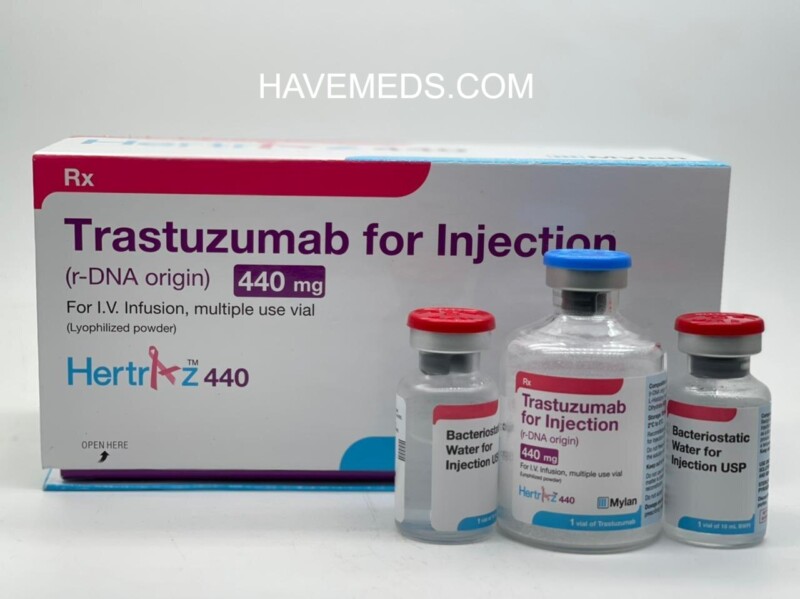
Hertraz ( Trastuzumab Injection)
Trastuzumab is a humanized monoclonal antibody used in the treatment of cancers that overexpress the human epidermal growth factor receptor 2 (HER2). It was one of the first targeted cancer therapies and has significantly improved outcomes for patients with HER2-positive breast cancer and gastric cancer.
Description
Trastuzumab
Introduction
Trastuzumab is a humanized monoclonal antibody used in the treatment of cancers that overexpress the human epidermal growth factor receptor 2 (HER2). It was one of the first targeted cancer therapies and has significantly improved outcomes for patients with HER2-positive breast cancer and gastric cancer.
Mechanism of Action
Trastuzumab specifically binds to the extracellular domain of the HER2 receptor, a transmembrane tyrosine kinase receptor involved in cell growth and proliferation. By binding to HER2, trastuzumab inhibits receptor signaling, prevents tumor cell proliferation, promotes antibody-dependent cellular cytotoxicity (ADCC), and enhances immune-mediated destruction of cancer cells.
Clinical Applications
Trastuzumab is primarily indicated for:
- HER2-positive early-stage breast cancer
- HER2-positive metastatic breast cancer
- HER2-positive metastatic gastric or gastroesophageal junction adenocarcinoma
It is often administered alone or in combination with chemotherapy, hormone therapy, or other HER2-targeted agents.
Administration and Dosage
Trastuzumab is administered intravenously or as a subcutaneous injection, depending on the formulation. Treatment schedules vary according to the type and stage of cancer, with therapy often continuing for one year in the adjuvant treatment of early breast cancer.
Benefits
The introduction of trastuzumab has transformed the management of HER2-positive cancers by:
- Improving overall survival
- Reducing disease recurrence
- Increasing progression-free survival
- Enhancing treatment specificity compared with conventional chemotherapy
Adverse Effects
Common side effects include:
- Infusion-related reactions
- Fatigue
- Nausea
- Fever
- Diarrhea
A significant concern is cardiotoxicity, particularly a reduction in left ventricular ejection fraction and the potential development of heart failure. Therefore, regular cardiac monitoring is recommended during treatment.
Resistance to Trastuzumab
Some patients may develop resistance to trastuzumab through mechanisms such as alterations in HER2 signaling pathways, activation of alternative growth pathways, or changes in receptor expression. Research continues to explore strategies to overcome resistance and improve therapeutic outcomes.
Conclusion
Trastuzumab represents a major advancement in targeted cancer therapy. By selectively targeting HER2-overexpressing tumor cells, it has improved survival and quality of life for many patients with HER2-positive cancers. Ongoing research aims to optimize its use and address treatment resistance, further enhancing its clinical benefits.


Reviews
There are no reviews yet.