
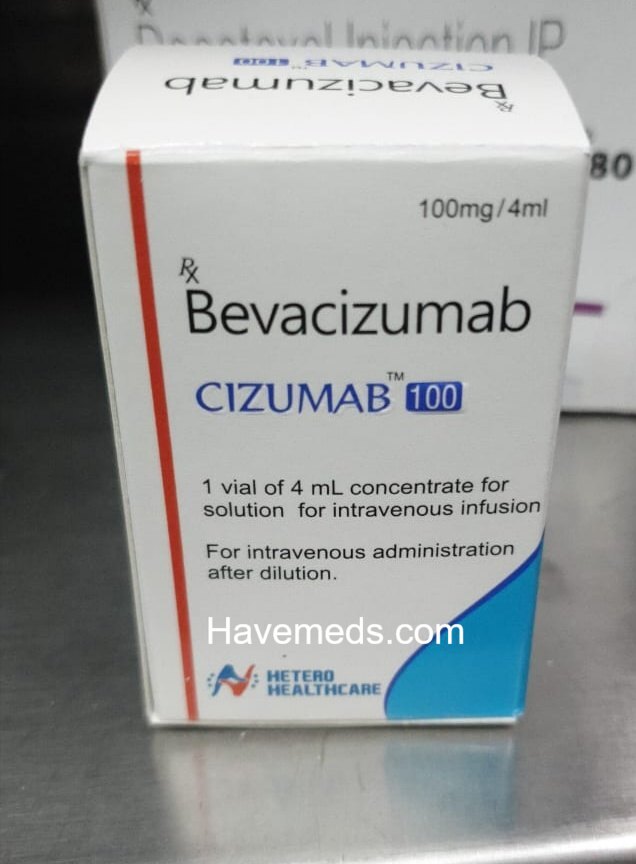
Cizumab 100 Solution for Infusion (Bevacizumab)
Cizumab is a biosimilar form of bevacizumab used in the treatment of several types of cancer. It works by inhibiting angiogenesis (the formation of new blood vessels), thereby reducing the blood supply that tumors need for growth and spread.
Description
Cizumab (Bevacizumab) – Drug Overview
Generic Name
Bevacizumab
Brand Name
Cizumab
Drug Class
Monoclonal antibody; Anti-angiogenic agent; Vascular Endothelial Growth Factor (VEGF) inhibitor.
Description
Cizumab is a biosimilar form of bevacizumab used in the treatment of several types of cancer. It works by inhibiting angiogenesis (the formation of new blood vessels), thereby reducing the blood supply that tumors need for growth and spread.
Mechanism of Action
Cizumab binds to VEGF-A (Vascular Endothelial Growth Factor-A) and prevents it from interacting with its receptors on endothelial cells. This blocks the formation of new blood vessels that supply oxygen and nutrients to tumors, slowing tumor growth and progression.
Indications
Cizumab is used in the treatment of:
- Metastatic colorectal cancer
- Non-small cell lung cancer (NSCLC)
- Glioblastoma multiforme (brain tumor)
- Metastatic renal cell carcinoma (kidney cancer)
- Metastatic breast cancer
- Cervical cancer
- Ovarian cancer (in certain treatment regimens)
Dosage and Administration
- Administered as an intravenous (IV) infusion by a healthcare professional.
- Typical dosage ranges from 5–15 mg/kg every 2–3 weeks depending on the cancer type and treatment protocol.
- Initial infusion is usually given over 90 minutes, with later infusions potentially administered more quickly if tolerated.
Common Side Effects
- High blood pressure (hypertension)
- Nosebleeds
- Headache
- Fatigue
- Protein in urine (proteinuria)
- Dry skin
- Taste changes
- Diarrhea
- Back pain
Serious Adverse Effects
- Severe bleeding (hemorrhage)
- Gastrointestinal perforation
- Blood clots and stroke
- Heart failure
- Impaired wound healing
- Kidney damage/nephrotic syndrome
- Infusion-related reactions
Contraindications and Precautions
- Pregnancy: May cause fetal harm.
- Breastfeeding should be avoided during treatment and for 6 months after the last dose.
- Use caution in patients with uncontrolled hypertension, bleeding disorders, recent surgery, or cardiovascular disease.
- Blood pressure and urine protein levels should be monitored regularly.
Storage
Store refrigerated at 2°C–8°C. Do not freeze or shake. Protect from light.
Manufacturer
Cizumab is marketed in India by Hetero Pharmaceuticals and is recognized as one of the early bevacizumab biosimilars available in India.
Reviews
There are no reviews yet.