
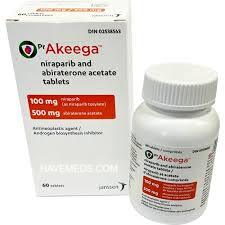
Akeega (Niraparib and Abiraterone Acetate)
Akeega is a prescription anticancer medicine that combines two active ingredients, niraparib and abiraterone acetate, in a single tablet. It is used together with prednisone for the treatment of certain types of advanced prostate cancer in patients who have specific BRCA gene mutations.
Description
Akeega (Niraparib and Abiraterone Acetate)
Overview
Akeega is a prescription anticancer medicine that combines two active ingredients, niraparib and abiraterone acetate, in a single tablet. It is used together with prednisone for the treatment of certain types of advanced prostate cancer in patients who have specific BRCA gene mutations. Akeega is designed to target cancer cells through two different mechanisms, helping to slow disease progression and improve treatment outcomes.
Composition
Each Akeega tablet contains:
- Niraparib (a PARP inhibitor)
- Abiraterone acetate (an androgen biosynthesis inhibitor)
These two medicines work together to inhibit cancer growth and survival.
Indications
Akeega is approved for use with prednisone in adults with:
- BRCA-mutated metastatic castration-resistant prostate cancer (mCRPC)
- BRCA2-mutated metastatic castration-sensitive prostate cancer (mCSPC)
Patients are typically tested for BRCA mutations before treatment to determine whether Akeega is an appropriate therapy.
Mechanism of Action
Niraparib
Niraparib belongs to a class of medicines known as PARP inhibitors. PARP enzymes help repair damaged DNA in cells. By blocking PARP activity, niraparib prevents cancer cells from repairing DNA damage, leading to cancer cell death.
Abiraterone Acetate
Abiraterone inhibits the CYP17 enzyme, which is involved in the production of androgens such as testosterone. Since prostate cancer cells often rely on androgens for growth, reducing hormone production can slow tumor progression.
Administration
- Taken orally once daily.
- Must be taken on an empty stomach (at least 1 hour before or 2 hours after food).
- Used in combination with prednisone as directed by a healthcare professional.
- Treatment generally continues until disease progression or unacceptable toxicity occurs.
Common Side Effects
Frequently reported side effects include:
- Fatigue
- Muscle and bone pain
- Constipation
- Nausea
- High blood pressure
- Swelling of legs or feet
- Shortness of breath
- Decreased appetite
- Irregular heartbeat
- Headache and dizziness
Regular monitoring is required during treatment.
Serious Warnings
Akeega may cause serious adverse effects, including:
- Bone marrow disorders such as myelodysplastic syndrome (MDS) and acute myeloid leukemia (AML)
- Severe liver toxicity
- Low potassium levels
- Cardiovascular complications
- Adrenal insufficiency
- Severe hypoglycemia in diabetic patients
- Posterior Reversible Encephalopathy Syndrome (PRES)
Patients should immediately report unusual bleeding, persistent fever, severe headaches, jaundice, or neurological symptoms to their healthcare provider.
Conclusion
Akeega is an innovative targeted therapy that combines the benefits of a PARP inhibitor and hormone-suppressing treatment in a single tablet. It provides an important treatment option for patients with advanced BRCA-mutated prostate cancer and has demonstrated clinical benefits in slowing disease progression when used appropriately under medical supervision.




Reviews
There are no reviews yet.