
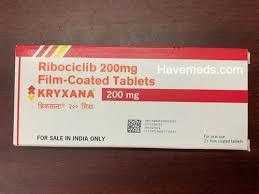
Kryxana 200mg Tablet (Ribociclib)
Kryxana (ribociclib) is an important targeted therapy for HR-positive, HER2-negative advanced breast cancer. By inhibiting CDK4/6 enzymes, it helps slow cancer growth and can improve progression-free survival when used with hormone therapy.
Description
Kryxana (Ribociclib): Uses, Mechanism, and Side Effects
Introduction
Kryxana is the brand name for ribociclib, an anticancer medication used primarily for the treatment of certain types of advanced or metastatic breast cancer. It belongs to a class of drugs known as cyclin-dependent kinase (CDK) 4/6 inhibitors and is often used in combination with hormone therapy to improve treatment outcomes.
Uses
Kryxana is indicated for the treatment of hormone receptor (HR)-positive, HER2-negative advanced or metastatic breast cancer. It is commonly prescribed alongside endocrine therapies such as letrozole or other hormone-blocking medications.
Mechanism of Action
Ribociclib works by inhibiting CDK4 and CDK6, enzymes that play a critical role in cell cycle progression. By blocking these enzymes, Kryxana slows or stops the growth and division of cancer cells, helping to control tumor progression.
Administration
Kryxana is taken orally as a tablet and should be used exactly as prescribed by an oncologist. Treatment schedules often involve taking the medication daily for 21 days followed by a 7-day break, although dosing may vary depending on the patient’s condition and response to therapy.
Common Side Effects
Patients may experience:
- Nausea and vomiting
- Fatigue
- Diarrhea or constipation
- Headache
- Hair loss
- Loss of appetite
- Rash
- Low white blood cell count (neutropenia), which may increase infection risk
Serious Adverse Effects
Less common but potentially serious side effects include:
- Liver toxicity
- Heart rhythm abnormalities (QT interval prolongation)
- Severe infections due to low blood cell counts
- Lung inflammation (pneumonitis/interstitial lung disease)
- Severe skin reactions such as Stevens–Johnson syndrome (rare)
Precautions
- Regular blood tests, liver function tests, and ECG monitoring may be required during treatment.
- The drug should not be used during pregnancy due to potential harm to the fetus.
- Breastfeeding is generally not recommended while taking Kryxana.
- Patients should inform their healthcare provider about all medications they are taking because significant drug interactions can occur.
Conclusion
Kryxana (ribociclib) is an important targeted therapy for HR-positive, HER2-negative advanced breast cancer. By inhibiting CDK4/6 enzymes, it helps slow cancer growth and can improve progression-free survival when used with hormone therapy. Careful medical supervision is necessary to monitor for side effects and ensure safe treatment.





Reviews
There are no reviews yet.