
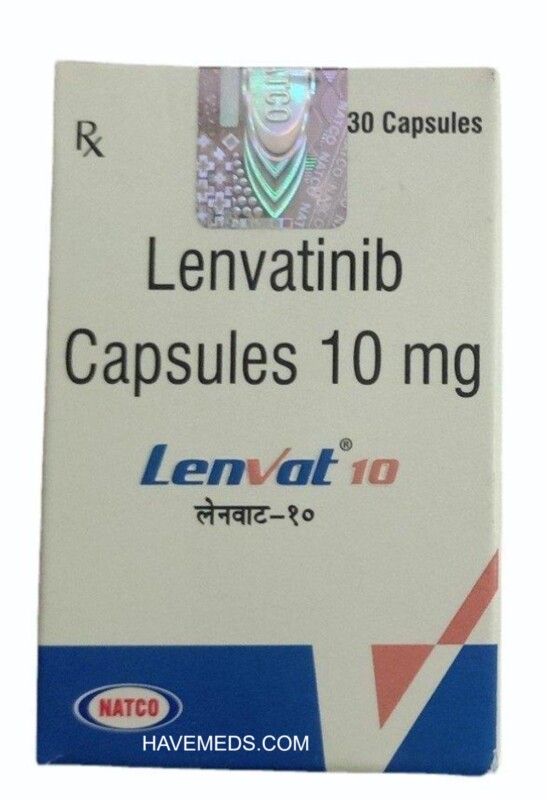
Lenvat 10mg (Lenvatinib)
Description
Lenvat (Lenvatinib): Overview, Uses, and Safety Information
Lenvat (lenvatinib) is an oral anticancer medication classified as a tyrosine kinase inhibitor (TKI). It works by blocking specific proteins involved in tumor growth and the formation of new blood vessels that supply cancer cells. By targeting these pathways, lenvatinib can help slow or stop the progression of certain cancers.
Therapeutic Uses
Lenvatinib is commonly prescribed for the treatment of several types of cancer, including:
- Differentiated thyroid cancer that is advanced or radioactive iodine-resistant
- Advanced renal cell carcinoma (kidney cancer), often in combination with other therapies
- Unresectable hepatocellular carcinoma (liver cancer)
- Advanced endometrial cancer in combination with immunotherapy in selected patients
The choice of treatment depends on the patient’s cancer type, stage, overall health, and previous therapies.
Mechanism of Action
Lenvatinib inhibits multiple receptor tyrosine kinases, including vascular endothelial growth factor receptors (VEGFRs), fibroblast growth factor receptors (FGFRs), and other signaling pathways involved in tumor development. This action reduces blood supply to tumors and interferes with cancer cell growth.
Administration
- Lenvatinib is taken orally, usually once daily.
- The dosage is determined by the treating oncologist based on the indication and patient-specific factors.
- Patients should take the medication exactly as prescribed and should not alter the dose without medical guidance.
Common Side Effects
Frequently reported adverse effects include:
- High blood pressure (hypertension)
- Fatigue
- Diarrhea
- Decreased appetite
- Weight loss
- Nausea
- Mouth sores
- Hand-foot skin reactions
- Protein in the urine
Serious Warnings
Patients receiving lenvatinib should be monitored for potentially serious complications, such as:
- Severe hypertension
- Heart-related complications
- Liver dysfunction
- Kidney impairment
- Bleeding events
- Impaired wound healing
- Blood clots
Prompt medical attention is required if severe symptoms occur.
Monitoring and Precautions
Regular monitoring may include:
- Blood pressure checks
- Liver and kidney function tests
- Urine protein assessment
- Evaluation for adverse reactions and treatment response
Patients should inform their healthcare provider about all medications, supplements, and existing medical conditions before starting therapy.
Conclusion
Lenvatinib is an important targeted therapy used in the management of several advanced cancers. Its ability to inhibit multiple pathways involved in tumor growth makes it a valuable treatment option. Careful monitoring and adherence to medical guidance are essential to maximize benefits and minimize risks during treatment.


Reviews
There are no reviews yet.