
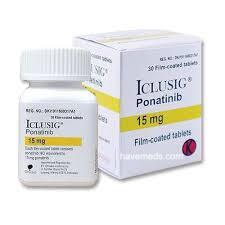
Ponatinib/Iclusig
Ponatinib is a third-generation tyrosine kinase inhibitor (TKI) used primarily for the treatment of certain forms of leukemia, particularly chronic myeloid leukemia (CML) and Philadelphia chromosome-positive acute lymphoblastic leukemia (Ph+ ALL).
Description
Ponatinib
Overview
Ponatinib is a third-generation tyrosine kinase inhibitor (TKI) used primarily for the treatment of certain forms of leukemia, particularly chronic myeloid leukemia (CML) and Philadelphia chromosome-positive acute lymphoblastic leukemia (Ph+ ALL). It was specifically designed to inhibit BCR-ABL tyrosine kinase, including the T315I mutation, which is resistant to many other TKIs.
Mechanism of Action
Ponatinib inhibits the activity of BCR-ABL, a constitutively active tyrosine kinase produced by the Philadelphia chromosome translocation. By blocking this kinase, Ponatinib suppresses leukemic cell proliferation and promotes apoptosis. It also inhibits several other kinases, including VEGFR, FGFR, PDGFR, KIT, RET, and SRC family kinases.
Indications
Ponatinib is indicated for:
- Chronic Myeloid Leukemia (CML) in chronic, accelerated, or blast phase.
- Philadelphia chromosome-positive Acute Lymphoblastic Leukemia (Ph+ ALL).
- Patients with resistance or intolerance to prior tyrosine kinase inhibitor therapy.
- Patients harboring the T315I mutation.
Dosage and Administration
Ponatinib is administered orally, typically once daily. The dosage may vary depending on the disease stage, patient response, and tolerability. Dose adjustments may be required in cases of adverse reactions or underlying hepatic impairment.
Adverse Effects
Common adverse effects include:
- Hypertension
- Rash
- Abdominal pain
- Fatigue
- Headache
- Arthralgia
- Elevated liver enzymes
- Pancreatitis
Serious adverse effects include:
- Arterial occlusive events
- Venous thromboembolism
- Heart failure
- Hepatotoxicity
- Hemorrhage
Warnings and Precautions
Patients receiving Ponatinib should be monitored for cardiovascular risk factors, blood pressure, liver function, and signs of vascular occlusion. The drug carries boxed warnings regarding arterial occlusion, venous thrombosis, and hepatotoxicity.
Drug Interactions
Ponatinib is metabolized primarily by CYP3A4. Concomitant use with strong CYP3A4 inhibitors or inducers may alter drug exposure and require dose modification.
Clinical Significance
Ponatinib has demonstrated significant efficacy in patients with resistant CML and Ph+ ALL, particularly those with the T315I mutation. Its broad kinase inhibition profile contributes to its therapeutic effectiveness but also necessitates careful monitoring for adverse events.
Conclusion
Ponatinib is an important targeted therapy for patients with resistant or difficult-to-treat Philadelphia chromosome-positive leukemias. Its ability to inhibit the T315I mutation provides a valuable treatment option where other tyrosine kinase inhibitors may fail.



Reviews
There are no reviews yet.