

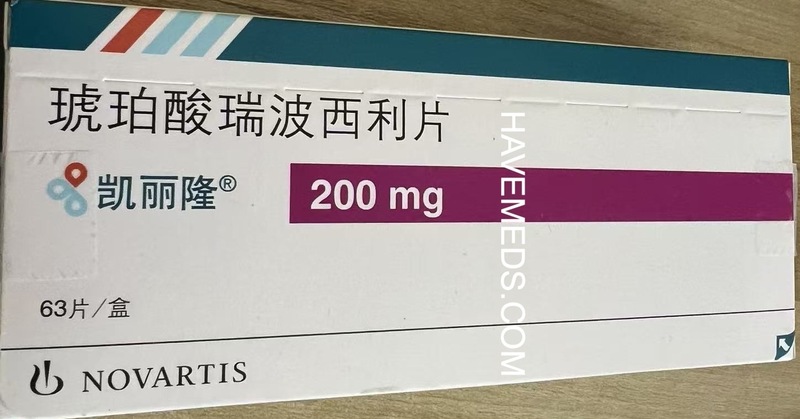
Kisqali (ribociclib)
Kisqali is a prescription medicine used in combination with endocrine therapy to treat certain types of breast cancer in adults. It is developed by Novartis and belongs to a class of medicines called CDK4/6 inhibitors.
Description
Kisqali (ribociclib)
A targeted treatment for HR+/HER2− advanced or metastatic breast cancer
Kisqali is a prescription medicine used in combination with endocrine therapy to treat certain types of breast cancer in adults. It is developed by Novartis and belongs to a class of medicines called CDK4/6 inhibitors.
About Kisqali
Kisqali is designed for people diagnosed with hormone receptor-positive (HR+), human epidermal growth factor receptor 2-negative (HER2−) advanced or metastatic breast cancer.
It is used in combination with:
- An aromatase inhibitor (for postmenopausal patients), or
- Fulvestrant (in certain treatment settings)
Kisqali works alongside hormone therapy to help slow the progression of cancer.
How Kisqali Works
Cancer cells can grow and divide uncontrollably. Kisqali targets specific proteins called CDK4 and CDK6, which play a key role in cell cycle progression.
By inhibiting these proteins, Kisqali helps:
- Slow down cancer cell division
- Delay disease progression
- Enhance the effectiveness of endocrine (hormone) therapy
Who Kisqali Is For
Kisqali is prescribed for adult patients with:
- HR-positive breast cancer
- HER2-negative status
- Advanced or metastatic disease
Treatment decisions are made by an oncologist based on individual medical evaluation.
How to Take Kisqali
Kisqali is taken orally as tablets, usually:
- Once daily
- For 21 consecutive days followed by 7 days off (28-day cycle)
- In combination with prescribed hormone therapy
Patients should follow their doctor’s exact instructions regarding dosage and schedule.
Possible Side Effects
Like all cancer treatments, Kisqali may cause side effects. Some of the most commonly reported include:
- Low white blood cell counts (neutropenia)
- Nausea
- Fatigue
- Diarrhea or constipation
- Headache
More serious effects can occur in some patients, including liver changes or heart rhythm changes. Regular monitoring through blood tests and ECGs is often recommended by healthcare providers.
Monitoring During Treatment
Patients on Kisqali may require regular check-ups, including:
- Blood tests to monitor liver function and blood counts
- Heart monitoring (ECG)
- Routine clinical assessments
This helps ensure treatment safety and effectiveness.
Patient Support
Support programs may be available depending on your region, offering:
- Treatment guidance
- Adherence support
- Access and affordability assistance
- Educational resources for patients and caregivers
Important Information
Kisqali is a prescription medicine and should only be taken under the supervision of a qualified healthcare professional. It is not suitable for all patients and may interact with other medications.
Always consult your oncologist for personalized medical advice.



Reviews
There are no reviews yet.